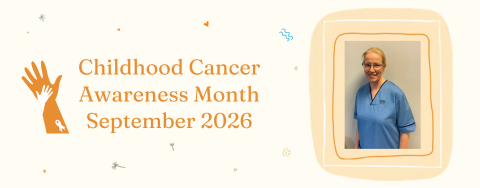
Throughout my career, I have seen treatments evolve significantly, particularly for children with neuroblastoma. Many of these advances have been made possible because children and families took part in research studies. As a result, survival rates have improved, supportive care has developed, and treatment is becoming more effective and less disruptive to family life.
New approaches, including ambulatory antibody treatments, mean that some children can spend more time at home while receiving care. These developments have transformed outcomes and experiences for many families.
A large part of my role involves educating and supporting staff to deliver treatments safely. Knowing that the research trials we support today could improve both survival and quality of life for future patients makes me proud to be involved. It also gives me hope that kinder and more effective treatments will continue to emerge.
I also help prepare families for discharge from hospital. Seeing the challenges they face while living with childhood cancer strengthens my commitment to research that aims to reduce treatment side effects and lessen the burden on children and their loved ones.
One of the hardest parts of my job has been caring for children who have not survived their cancer. However, the innovative treatments now available through research studies at our hospital give me hope that more children will survive and enjoy healthier futures with fewer long-term effects from treatment.
Research is not only changing outcomes today, it is helping to create a brighter future for children diagnosed with cancer tomorrow.